Osteoporosis Prevention for Women
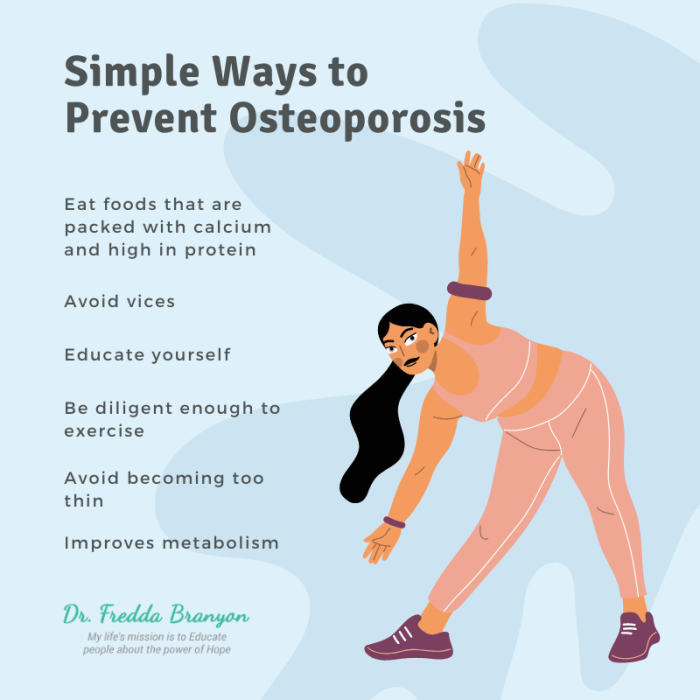
Osteoporosis prevention for women is crucial for maintaining bone health and preventing debilitating fractures later in life. This comprehensive guide explores various strategies, from dietary adjustments and exercise routines to managing lifestyle factors and addressing mental well-being, all vital components in safeguarding women’s skeletal health throughout their lifespan. We will delve into the science behind bone health, practical steps for improvement, and the importance of proactive care.
Understanding the complex interplay between diet, exercise, hormonal changes, and mental health is key to effective osteoporosis prevention. This guide provides actionable advice and resources, empowering women to take control of their bone health and live fuller, healthier lives.
Dietary Strategies for Osteoporosis Prevention in Women
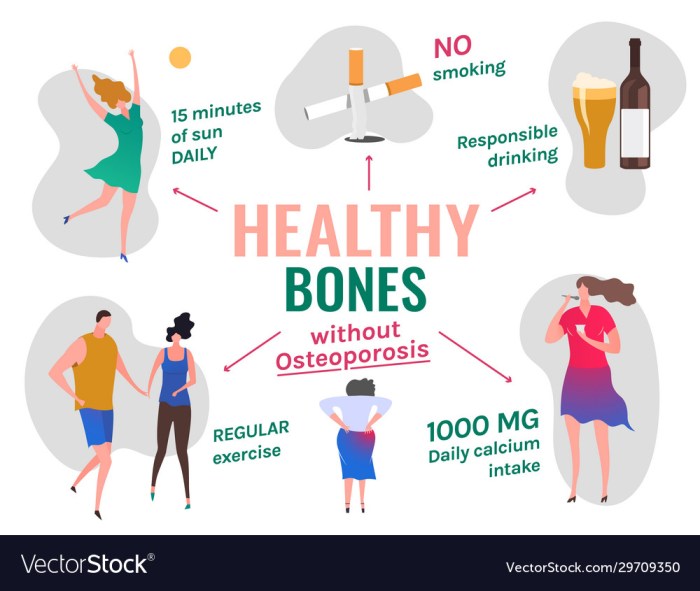
Maintaining a diet rich in essential nutrients is crucial for preventing osteoporosis. Bone health relies heavily on a consistent intake of calcium and vitamin D, along with other vital minerals and nutrients. A well-planned diet can significantly reduce the risk of developing this debilitating condition.
The Role of Calcium and Vitamin D in Bone Health
Calcium is the primary building block of bones. It’s essential for bone density and strength. Vitamin D, on the other hand, plays a vital role in calcium absorption. Without sufficient vitamin D, the body struggles to absorb calcium effectively, even if consumed in adequate amounts. Both are indispensable for maintaining strong, healthy bones throughout a woman’s life, particularly during periods of increased risk like menopause.
A deficiency in either nutrient significantly increases the risk of osteoporosis.
Sample Weekly Meal Plan Rich in Calcium and Vitamin D
A balanced diet incorporating calcium and vitamin D-rich foods is key. The following sample meal plan provides a guideline, and individual needs may vary. It’s advisable to consult a registered dietitian or healthcare professional for personalized dietary advice.
| Day | Breakfast | Lunch | Dinner |
|---|---|---|---|
| Monday | Greek yogurt with berries and a sprinkle of almonds | Salmon salad sandwich on whole-wheat bread with a side of leafy greens | Lentil soup with a side of whole-wheat bread and a small serving of cheese |
| Tuesday | Fortified cereal with milk and a banana | Tuna salad with calcium-set tofu and mixed vegetables | Chicken stir-fry with broccoli and bok choy |
| Wednesday | Scrambled eggs with spinach and whole-wheat toast | Leftover chicken stir-fry | Baked cod with roasted vegetables and a side of quinoa |
| Thursday | Smoothie with spinach, banana, milk, and chia seeds | Large salad with chickpeas, feta cheese, and a light vinaigrette | Vegetarian chili with cornbread |
| Friday | Oatmeal with milk and berries | Leftover vegetarian chili | Pizza with whole-wheat crust, lots of vegetables, and low-fat cheese |
| Saturday | Yogurt parfait with granola and fruit | Turkey and avocado sandwich on whole-wheat bread | Roast chicken with sweet potatoes and green beans |
| Sunday | Pancakes made with milk and topped with fruit | Leftover roast chicken | Pasta with marinara sauce and a side salad with parmesan cheese |
Tips for Increasing Calcium Intake Without Dairy
Many individuals avoid or are unable to consume dairy products. Fortunately, there are several excellent non-dairy sources of calcium. These include leafy green vegetables like kale and collard greens, fortified plant milks (soy, almond, oat), tofu (especially calcium-set tofu), canned sardines and salmon (with bones), and fortified orange juice. Choosing these alternatives ensures adequate calcium intake even without dairy.
Benefits of Incorporating Bone-Building Foods into a Daily Diet
Beyond calcium and vitamin D, a variety of other nutrients contribute to bone health. Foods rich in vitamin K, magnesium, potassium, and protein all play a crucial role in bone strength and density. Incorporating these foods into your daily diet provides a holistic approach to osteoporosis prevention. For example, leafy greens are excellent sources of vitamin K, while nuts and seeds provide magnesium.
Lean protein sources like fish, chicken, and beans are essential for bone health as well. A varied and balanced diet is the best strategy for optimal bone health.
Exercise and Physical Activity for Bone Strength
Maintaining strong bones is crucial for women, especially as they age and risk of osteoporosis increases. Regular exercise, particularly weight-bearing and resistance training, plays a vital role in preventing bone loss and improving bone density. These activities stimulate bone remodeling, leading to stronger, denser bones capable of better withstanding stress and fractures.Weight-bearing exercises involve activities where your bones work against gravity.
Resistance training, on the other hand, uses weights or resistance bands to strengthen muscles and, consequently, bones. Combining both types of exercise provides the most comprehensive approach to bone health.
Types of Beneficial Exercises
A variety of exercises contribute to improved bone health. Weight-bearing activities like walking, jogging, dancing, and climbing stairs are excellent choices. Resistance training can involve using free weights, resistance bands, or weight machines to perform exercises like squats, lunges, and rows. These exercises work multiple muscle groups simultaneously, placing stress on the bones and promoting bone growth. Furthermore, activities such as tennis, hiking, and even brisk housework contribute to bone strengthening.
The key is to choose activities that you enjoy and can maintain consistently.
Sample Exercise Routine for Women
The following table Artikels a sample exercise routine suitable for women of varying ages and fitness levels. Remember to consult your doctor before starting any new exercise program, particularly if you have pre-existing health conditions. Begin slowly and gradually increase the intensity and duration of your workouts as your fitness improves. Listen to your body and rest when needed.
| Exercise Type | Muscles Worked | Sets | Frequency |
|---|---|---|---|
| Walking | Legs, core | N/A | 30 minutes, 5 days/week |
| Squats | Legs, glutes, core | 3 | 2-3 days/week |
| Lunges | Legs, glutes | 3 | 2-3 days/week |
| Push-ups (modified on knees if needed) | Chest, shoulders, triceps | 3 | 2-3 days/week |
| Rowing (using resistance bands or machine) | Back, biceps | 3 | 2-3 days/week |
| Plank | Core | 3 | 2-3 days/week |
Comparison of Exercise Modalities
Different exercise modalities vary in their effectiveness in improving bone density. Studies show that high-impact weight-bearing exercises, such as running and jumping, are generally more effective than low-impact activities like swimming or cycling. However, low-impact exercises still offer cardiovascular benefits and are suitable for individuals with joint problems or limitations. Resistance training, regardless of the modality (free weights, machines, or resistance bands), is highly effective in increasing bone density, particularly in the spine and hips.
A combination of weight-bearing and resistance training provides the most comprehensive approach to improving bone health. For example, a study published in the Journal of Bone and Mineral Research showed that a combination of high-impact exercise and resistance training led to significantly greater improvements in bone mineral density compared to either modality alone.
Stress and Anxiety Management Techniques for Bone Health: Osteoporosis Prevention For Women
Chronic stress significantly impacts bone health. The body’s response to prolonged stress involves the release of cortisol, a hormone that can interfere with bone formation and increase bone breakdown, potentially leading to decreased bone density and increased fracture risk. Effectively managing stress is, therefore, a crucial element in a comprehensive osteoporosis prevention strategy for women. This section explores various techniques to mitigate stress and its negative effects on bone health.
The Link Between Chronic Stress and Bone Health
Sustained elevation of cortisol levels, a hallmark of chronic stress, disrupts the delicate balance between bone formation and resorption. Cortisol inhibits the activity of osteoblasts, the cells responsible for building new bone, while simultaneously stimulating the activity of osteoclasts, the cells that break down bone tissue. This imbalance tips the scales towards bone loss, increasing vulnerability to fractures. Studies have shown a correlation between high stress levels and reduced bone mineral density (BMD), particularly in postmenopausal women.
Furthermore, stress can indirectly impact bone health by influencing lifestyle choices, such as reduced physical activity, poor nutrition, and inadequate sleep, all of which further compromise bone strength.
Stress Management Techniques
Effective stress management involves incorporating various techniques into a daily routine. A multi-faceted approach yields the best results.A crucial first step is to identify personal stressors and develop coping mechanisms. This could involve setting realistic goals, prioritizing tasks, and learning to say no to overwhelming commitments. It’s also important to build a strong support system through family, friends, or support groups.
Deep Breathing Exercises and Progressive Muscle Relaxation
Deep breathing exercises, such as diaphragmatic breathing, involve slow, deep inhalations and exhalations, activating the parasympathetic nervous system, which counteracts the stress response. Progressive muscle relaxation involves systematically tensing and releasing different muscle groups, reducing muscle tension and promoting relaxation throughout the body. These techniques can be easily learned through online resources or guided meditation apps. Regular practice, even for short periods, can significantly reduce stress levels and improve overall well-being.
Yoga and Meditation for Stress Reduction and Bone Health
Yoga combines physical postures, breathing techniques, and meditation, offering a holistic approach to stress reduction. The physical postures in yoga improve flexibility, balance, and strength, all of which are beneficial for bone health. The meditative aspects of yoga promote relaxation and reduce cortisol levels. Similarly, meditation practices, such as mindfulness meditation, help to quiet the mind, reduce anxiety, and promote a sense of calm.
Studies suggest that regular yoga and meditation practice can improve BMD and reduce the risk of fractures.
Accessing Stress Management Programs and Support Groups
Numerous resources are available to help women manage stress and anxiety. Many community centers and hospitals offer stress management workshops and support groups led by qualified professionals. Online platforms provide access to guided meditation apps, yoga videos, and online support communities. Therapists and counselors can provide personalized guidance and support for developing effective coping strategies. Seeking professional help is particularly beneficial for individuals struggling with chronic stress or anxiety disorders.
Depression Support Resources and their Impact on Bone Health
Depression and bone health are surprisingly interconnected. While not directly causative, studies suggest a strong correlation between depression and reduced bone mineral density, increasing the risk of fractures. This link is likely multifactorial, involving factors like decreased physical activity, poorer nutrition, and the impact of certain medications used to treat depression. Understanding this connection is crucial for women seeking to maintain strong bones throughout their lives.The impact of depression on bone health is significant.
Individuals experiencing depression often exhibit reduced physical activity, leading to decreased bone loading and stimulation. This, coupled with potential nutritional deficiencies due to changes in appetite and eating habits associated with depression, contributes to weakened bones. Furthermore, some antidepressant medications can have side effects that negatively influence bone health. Therefore, addressing depression effectively is a vital component of comprehensive osteoporosis prevention.
Depression and Bone Mineral Density
Research indicates that individuals with depression frequently show lower bone mineral density (BMD) compared to their non-depressed counterparts. This reduced BMD increases the likelihood of fractures, particularly in the hip and spine, which are common consequences of osteoporosis. The severity of depression often correlates with the degree of bone loss. For example, a study published in theJournal of Clinical Endocrinology & Metabolism* found a statistically significant association between depression severity scores and lower BMD in postmenopausal women.
This highlights the importance of actively managing depressive symptoms to protect bone health.
Accessing Depression Support Resources
It is vital for women experiencing depression to seek appropriate support. Ignoring depression can negatively impact various aspects of health, including bone health. Many effective resources are available.A crucial first step is seeking professional help. A healthcare provider, such as a general practitioner or psychiatrist, can accurately diagnose depression and recommend suitable treatment options, including therapy, medication, or a combination of both.
Early intervention is key to effective management.
Examples of Depression Support Resources
Finding the right support can significantly improve mental and physical well-being.
Several avenues provide support for individuals dealing with depression:
- Helplines: Many national and international helplines offer confidential support and guidance. These services provide immediate assistance and can connect individuals with professional resources. Examples include the National Suicide Prevention Lifeline (in the US) and the Crisis Text Line.
- Online Support Groups: Online forums and support groups offer a sense of community and shared experience. These platforms allow individuals to connect with others facing similar challenges, offering mutual support and understanding. However, it’s crucial to remember that online support should complement, not replace, professional help.
- Therapy: Cognitive Behavioral Therapy (CBT) and other therapeutic approaches are highly effective in treating depression. A therapist can provide personalized strategies to manage depressive symptoms and improve coping mechanisms. This contributes to improved overall health, including bone health, by promoting better lifestyle choices and reducing stress.
The Importance of Professional Help for Depression, Osteoporosis prevention for women
Seeking professional help for depression is not a sign of weakness; it’s a sign of strength and self-care. A mental health professional can provide a comprehensive assessment, accurately diagnose the condition, and develop a tailored treatment plan. This plan might include medication, therapy, or both, depending on the individual’s needs. Effective treatment of depression leads to improved mood, increased energy levels, and better sleep, all of which positively influence overall health and can contribute to improved bone health through increased physical activity and better nutrition.
Effective Depression Management and Improved Overall Health
Effective management of depression significantly improves overall health, including bone health. By addressing the underlying mental health condition, individuals can experience a cascade of positive effects. Improved mood often leads to increased motivation for physical activity, promoting bone strength. Better sleep quality contributes to better overall health and allows the body to repair and rebuild tissues, including bone tissue.
Improved appetite and nutrition, often lacking in depression, are also essential for maintaining bone health. The combined effect of these improvements translates into a reduced risk of osteoporosis and improved bone density.
By proactively addressing dietary needs, incorporating regular exercise, managing lifestyle choices, and prioritizing mental well-being, women can significantly reduce their risk of osteoporosis. This holistic approach, combining medical guidance with mindful lifestyle adjustments, empowers women to take control of their bone health and enjoy a vibrant, active future. Remember, prevention is key, and early intervention can make a profound difference.
Q&A
What are the early warning signs of osteoporosis?
Early osteoporosis often has no noticeable symptoms. Bone loss progresses silently until a fracture occurs, often from a minor fall or even a sudden movement. Regular bone density screenings are crucial for early detection.
Can osteoporosis be reversed?
While completely reversing osteoporosis is not always possible, treatment can slow bone loss, increase bone density, and reduce the risk of fractures. Lifestyle changes and medication play a vital role in managing the condition.
Is there a specific age to start worrying about osteoporosis?
While risk increases with age, especially after menopause, osteoporosis prevention should begin earlier in life. Building strong bones in youth through proper nutrition and exercise lays a solid foundation for lifelong bone health.
Are there any supplements besides calcium and vitamin D that can help?
Other supplements, such as Vitamin K2 and magnesium, may support bone health, but it’s crucial to consult a doctor before starting any new supplements. Dietary intake should be prioritized.


